The match against South Africa proved to be an extremely difficult test for New Zealand. New Zealand reached the final match after winning against South Africa in their semi-final match. South Africa had earlier dominated India in the Super-8 stage. Because of this result, many fans considered New Zealand a strong challenge.
India had another problem to handle. The team did not have a strong winning history against New Zealand in the T20 World Cup. Fans also remembered the painful defeat in the 2023 ODI World Cup final at the Narendra Modi Stadium. The supporters reacted with worry about the game result after India lost the toss.
The Indian team displayed their skills through their controlled performance. The team started to build their defense by pressuring their opponent. The players followed clear plans and executed them well. The Indian team needed to find ways to defeat their opponent's game plans during their past matches. The team maintained complete control over the match which they used to prevent New Zealand from taking control.
Abhishek Handles Early Pressure
Opponents had earlier targeted Abhishek with early dismissals. New Zealand followed the same plan in the final. They introduced spinner Glenn Phillips early in the innings.
Abhishek changed his batting method during this match. He began his batting with careful movements which kept him away from dangerous batting techniques. He waited for favorable deliveries and attacked when he found pace from the fast bowlers. His innings demonstrated his capacity to control the game while adapting to different situations.
Abhishek also answered criticism from those who questioned his place in the final lineup.
Sanju Builds a Strong Foundation
Sanju Samson maintained his excellent performance throughout the match. His aggressive batting helped India build a solid platform. India sustained their batting strength throughout the middle overs of the match.
The Indian team maintained their confidence after Abhishek received his dismissal. The batters Sanju and Ishan Kishan continued to score runs for their team. The team experienced problems which lasted from the 16th to the 19th overs of play. Shivam Dube produced essential runs during the end of the match. His performance allowed India to achieve their competitive match total.
India’s Bowling Strategy Works
The Indian bowlers executed their bowling strategies with success. Finn Allen who played for New Zealand created major problems for the opposing team. In a previous T20I against India, Allen scored 80 runs from 38 balls. He achieved a century in the semi-final match after just 33 balls of play.
India targeted him for early dismissal because he played aggressive cricket. The bowlers decreased his batting speed which resulted in him playing dangerous shots. Allen had a known weakness against high catches. India successfully implemented this strategy against their opponent.
Axar Patel dismissed Allen with a well-planned delivery. He later removed Glenn Phillips with another accurate ball. Jasprit Bumrah provided another essential wicket during the middle overs of play.
Strong Fielding Supports the Bowlers
Fielding played a crucial role in India achieving their victory. Axar Patel impressed with key catches during the semi-finals. Ishan Kishan performed two outstanding catches during the final match.
The Indian players pressurized New Zealand through their combined efforts. The team displayed strong performance across all three areas of the game. The complete performance demonstrated India's status as a championship-winning team.
Pitch Conditions in Ahmedabad
The final match occurred in Ahmedabad at Narendra Modi Stadium. The venue carried mixed memories for India. The team had lost the 2023 ODI World Cup final there. India also faced a setback at the same venue in the Super-8 match against South Africa.
The black-soil pitch at the stadium usually supports slower play. Such conditions do not always suit India’s style. For the final, however, the organizers prepared a red-soil pitch.
The red-soil surface supported batting and offered better pace. Both teams played under the same conditions. India used its strong batting lineup effectively and scored a large total.
A Positive Ending for India
Ahmedabad initially created pressure for India because of past results. However, the team delivered a strong and disciplined performance in the final.
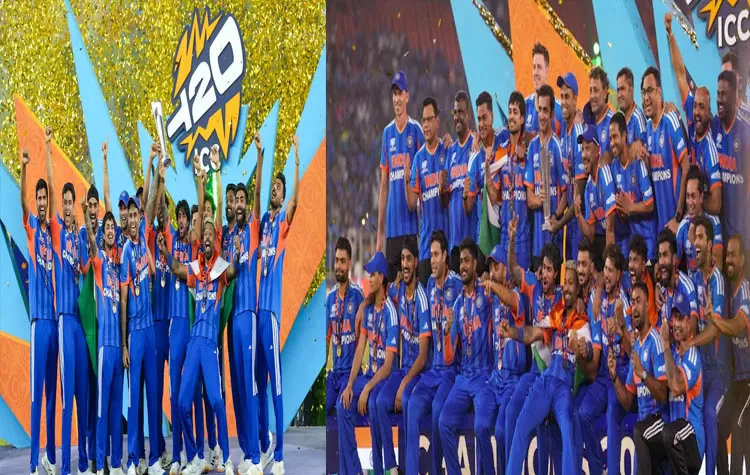
With balanced batting, effective bowling, and sharp fielding, India controlled the match and secured the championship. The venue that once brought disappointment eventually became the place where India lifted the trophy.