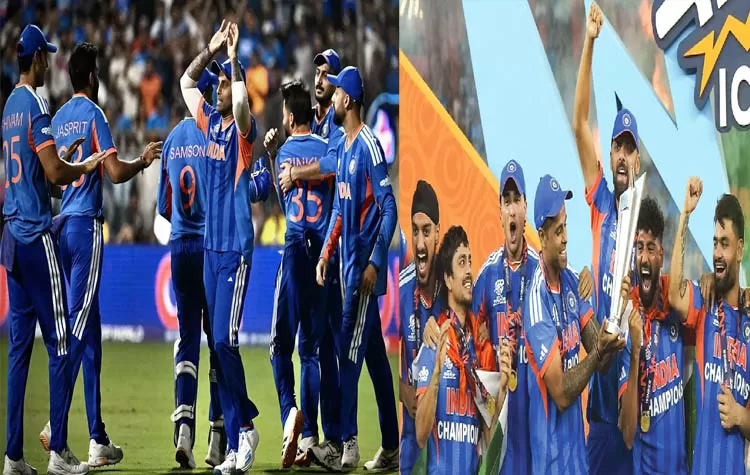
India produces more professional cricket players than any previous period in its history. The international sports calendar is experiencing increased scheduling demands. The two developments from both trends now create a combined effect. The Board of Control for Cricket in India (BCCI) is developing new methods to select players and create team compositions.
A Packed Calendar Meets a Deep Talent Pool
- India conducts cricket matches throughout the entire year across various formats and international locations. The schedule for tours and tournaments includes multiple international competitions which continue to happen after previous events end. The Indian Premier League (IPL) displays many domestic players who possess exceptional talent. Many of them have reached performance levels which make them strong candidates for international selection.
- The current situation has resulted in more qualified players than the team can accommodate at one time.
Selection Challenges for Team Management
- The selection process for national teams has become more complicated. The selectors face the challenge of selecting players who possess both experience and potential to become future stars. The team needs to control how much time players spend playing to prevent them from reaching exhaustion. The absence of enough roster spots leads to in-form players being excluded from the squad.
- This situation creates an essential decision between two options. The team needs to make a decision between keeping players who deliver consistent results or selecting new members who might impact the game.
The Two-Team Approach Explained
- The BCCI is establishing a larger player base to solve this current situation. Reports indicate that the organization is in the process of finalizing a selection list which will include between 30 and 35 cricketers. The two teams will compete simultaneously in different tournaments which will use players from this roster.
- The teams will work as separate units, which will have their own leaders and their own staff members. The objective is to maintain competitive status for both teams while providing international cricket opportunities to additional players.
Upcoming Series That Could Test the Plan
- The implementation of the idea will proceed because the two activities share the same time schedule. The Asian Games and the West Indies bilateral series will occur during the upcoming timeframe. The situation presents a viable chance to deploy two teams for simultaneous competition.
- The initial steps for this method have already entered the starting phase. The player selection process will begin with upcoming tours, which include both the Ireland and England matches.
Leadership Options for Parallel Squads
- The selection of team leaders becomes a critical element when two teams are established. Shreyas Iyer is being considered as a possible captain for one of the squads. The second team will be led by either Suryakumar Yadav or other experienced members from the squad.
- The board uses this method to evaluate its capacity to develop future leaders. The program enables multiple players to develop their international captaincy skills at various levels of the game.
Opportunities for Emerging Players
- This strategy could benefit young and in-form players, especially those performing well in the IPL. The system establishes a direct route for them to achieve international cricket status because they will not experience long delays for openings.
- The system enables rest periods for established players while preserving the competitive strength of Indian teams through player rotation.
What This Strategy Means for Indian Cricket’s Future
- The system will enhance India’s reserve player capacity if it receives proper implementation. The system enables player growth, while it maintains performance requirements across various formats and competitions.
- The system shows how international teams will change their operational methods in upcoming years.