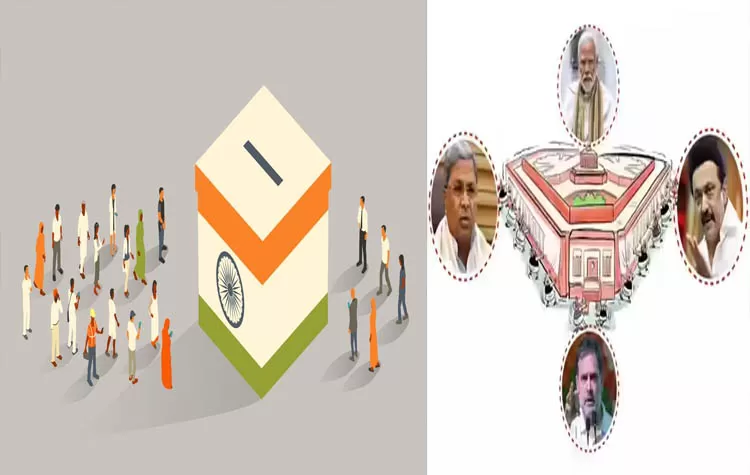
The system which India uses to distribute its parliamentary seats has returned to public scrutiny. Minister Nara Lokesh recently made statements which demonstrate how upcoming changes will impact southern states and smaller states.
What the Current System Says
The current system uses Article 81 of the Constitution to determine how many parliamentary seats each state should receive. The established seat distribution system has not changed since it first began. The system freeze exists to protect state balance because population increases differ among states.
Lokesh’s Main Argument
- Nara Lokesh has argued that certain proposed bills related to delimitation and constitutional amendments are important for maintaining fairness. He believes that any delays or blockages which occur with these bills will produce results which will disadvantage specific states.
- He maintains that opposition parties have contributed to the delays and hindrances which have affected these initiatives.
Concerns About Future Seat Allocation
- Lokesh identified the 2026 census as an important event. After this census, seat allocation could be revised. The current system will lead to seat changes that require population-based distribution according toexisting population rules.
- The current system will give more power to states which experience population growth while it will decrease the power of states which do not share this characteristic.
Impact on Southern and Smaller States
- Lokesh believes that states which have pursued development through population control will lose out under a system which uses population numbers for distribution. He specifically mentioned South Indian states, Northeastern states, and smaller states.
- He believes that these regions will experience a decline in their Parliament presence despite showing strong results in governance and social development.
Criticism of Opposition Parties
- Lokesh has criticized opposition parties for their stance on the issue. He holds them responsible for what he describes as a setback to fair representation.
- He believes their actions have delayed necessary reforms and increased the risk of imbalance in future seat distribution.
Why Federal Balance Is Being Discussed
- The debate connects to a larger issue: federal balance. This refers to how power and representation are shared between states and the central government.
- Lokesh described the potential shift in seat allocation as a challenge to this balance. In his view, relying only on population could weaken the position of certain states within the federal system.