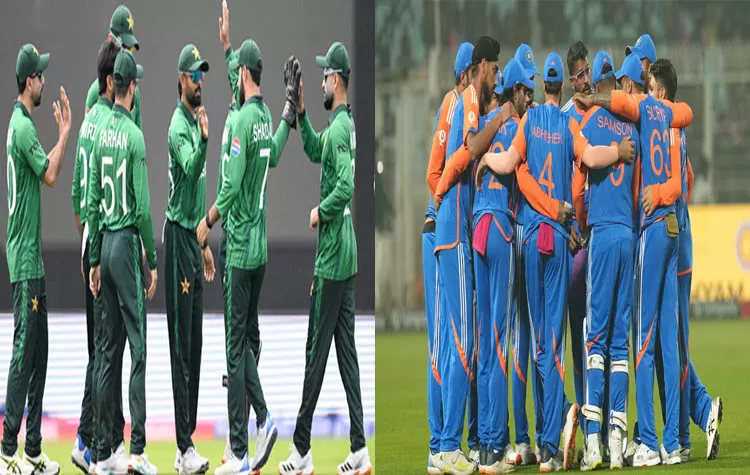

Pakistan announced its support for Bangladesh through its T20 World Cup participation. Pakistan confirmed its tournament participation but announced it would not compete against India. After public discussions and uncertainty Pakistan confirmed its upcoming match against India which will take place on the 15th of this month.
The final decision of Pakistan Government Administration came from their desire to protect cricket. The change occurred because of diplomatic talks and financial factors and International Cricket Council (ICC) pressure. The ICC stated it would not impose sanctions on Bangladesh because the country withdrew from the World Cup. The situation provided Pakistan with an opportunity to change its position because it faced no official penalties.
The India–Pakistan match carries significant commercial value. The match generates an economic impact which exceeds ₹4,500 crore. The ICC and its member boards faced significant revenue losses if the match had been canceled. The fixture generated financial interests for both broadcasters and sponsors.
The ICC issued a warning to the Pakistan Cricket Board (PCB) about potential financial penalties which would follow their assessment of the situation. Broadcasters planned to pursue compensation for their expected financial damages. A withdrawal from the event would have resulted in the PCB facing commercial exclusion from all international cricket competitions. Pakistan reversed its boycott decision which enables the country to avoid estimated financial losses of approximately ₹1,470 crore. The decision stopped a more extensive financial disaster.
Several cricket boards urged Pakistan to reconsider its position. The Bangladesh Cricket Board expressed concern about financial losses. The United Arab Emirates also requested that the PCB review its decision. The ICC continued its discussions at that time.
Sri Lanka served as a major diplomatic mediator. According to media reports, Sri Lankan President Anura Kumara Dissanayake contacted Pakistan’s Prime Minister Shehbaz Sharif and requested a reconsideration of the boycott. Earlier, Sri Lanka Cricket (SLC) sent a formal letter to the PCB. SLC explained its previous support for Pakistan during the 2009 Lahore attack, which led to their decision to visit Pakistan during that country's period of cricket isolation. SLC described the financial effects of the India-Pakistan match cancellation in Colombo, which included losses from ticket sales and corporate box sales and stadium advertising. The letter urged Pakistan to participate in the scheduled fixture.
Pakistan has changed its international cricket position before this current situation. Pakistan required India to visit Pakistan when they discussed which country would host the Champions Trophy. The organization later accepted a hybrid hosting arrangement. Pakistan raised objections about match officials and team conduct during the Asia Cup. The match continued after the discussion.
The case currently shows that Sunil Gavaskar and other former Indian players believe that Pakistan will change its current position. Pakistan announced its intention to play against India in the match. Bangladesh gained advantages from the overall discussions while observers saw Pakistan's multiple policy changes as damaging its reputation.